Author Archive

erecting the sanctuary

March 29th, 2026    -    No Comments

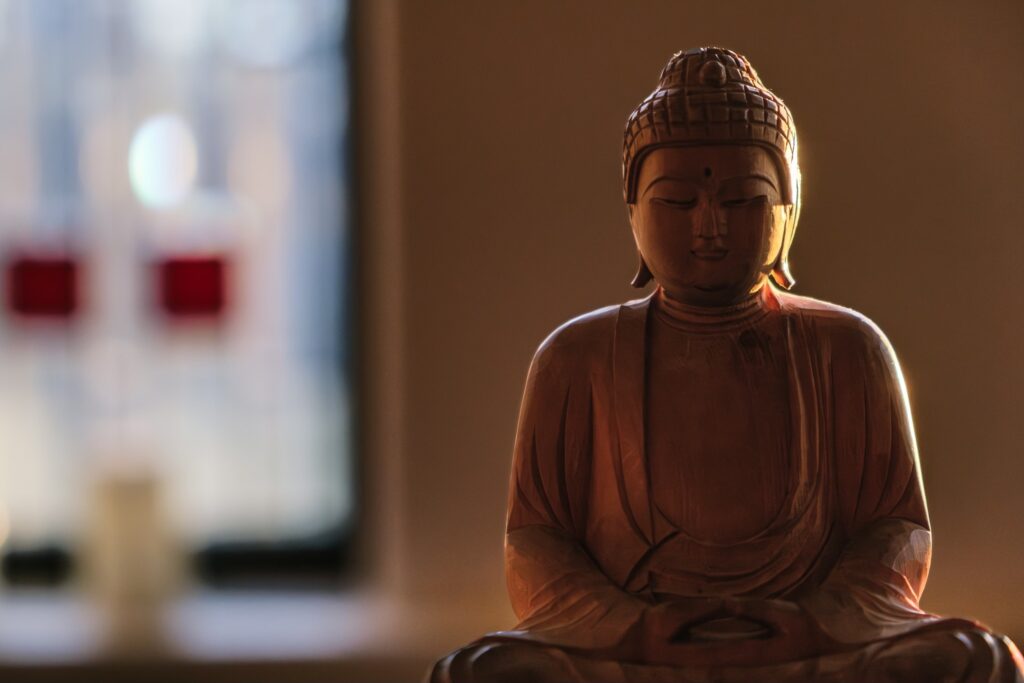
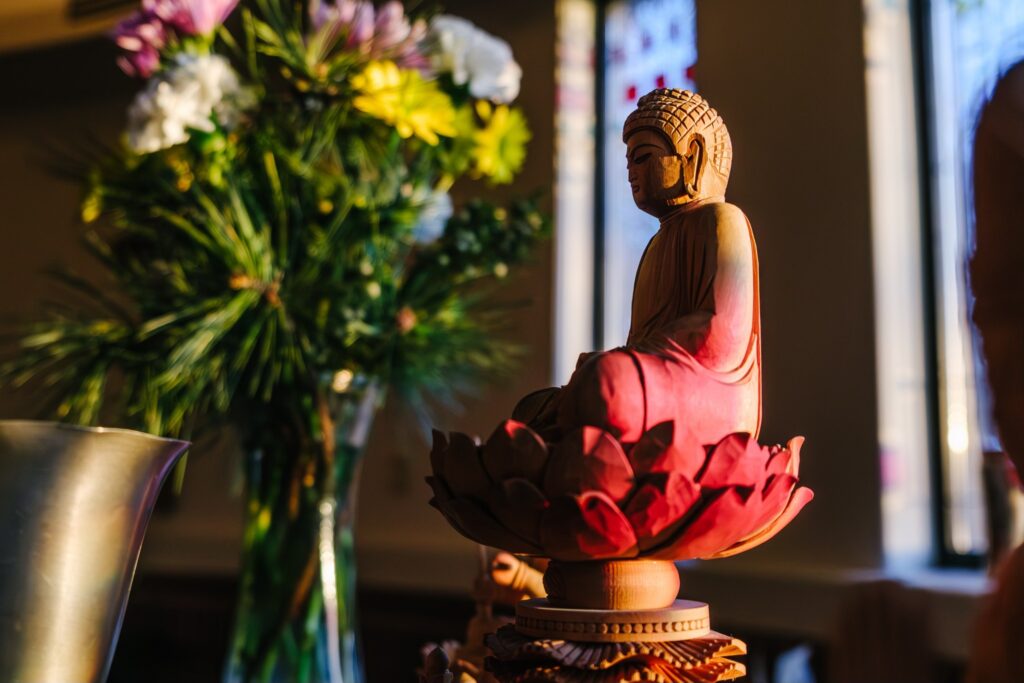
When Buddha was walking with his disciples he pointed to the ground and said, “It would be good to erect a sanctuary here.” Indra took a blade of grass and thrust it into the ground saying, “The sanctuary has been erected.”

— Case 4, The Book of Serenity


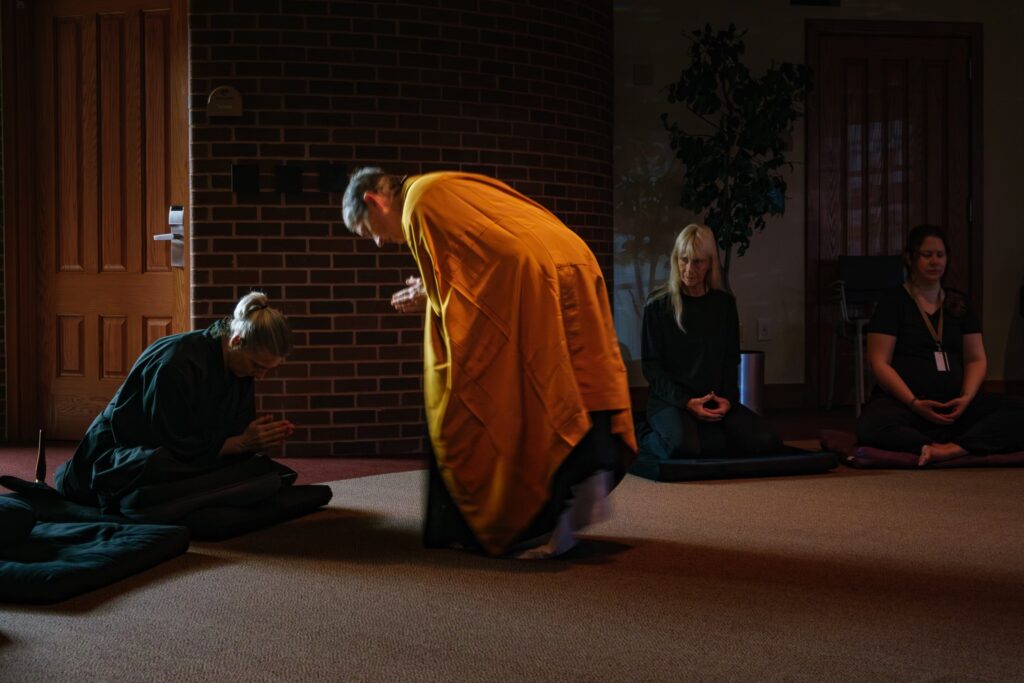
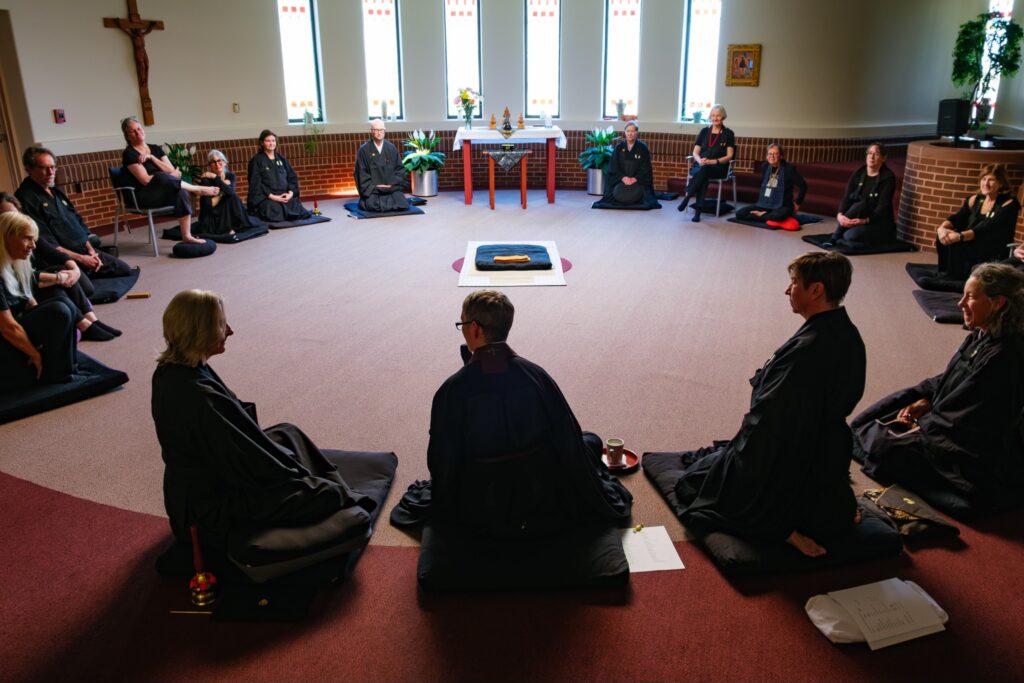
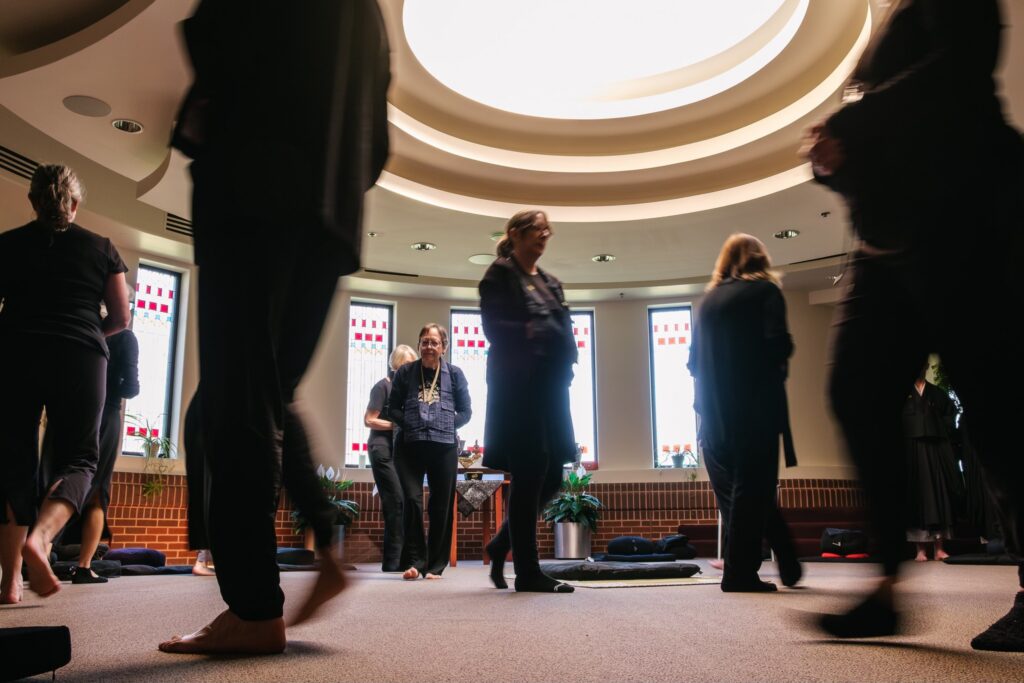
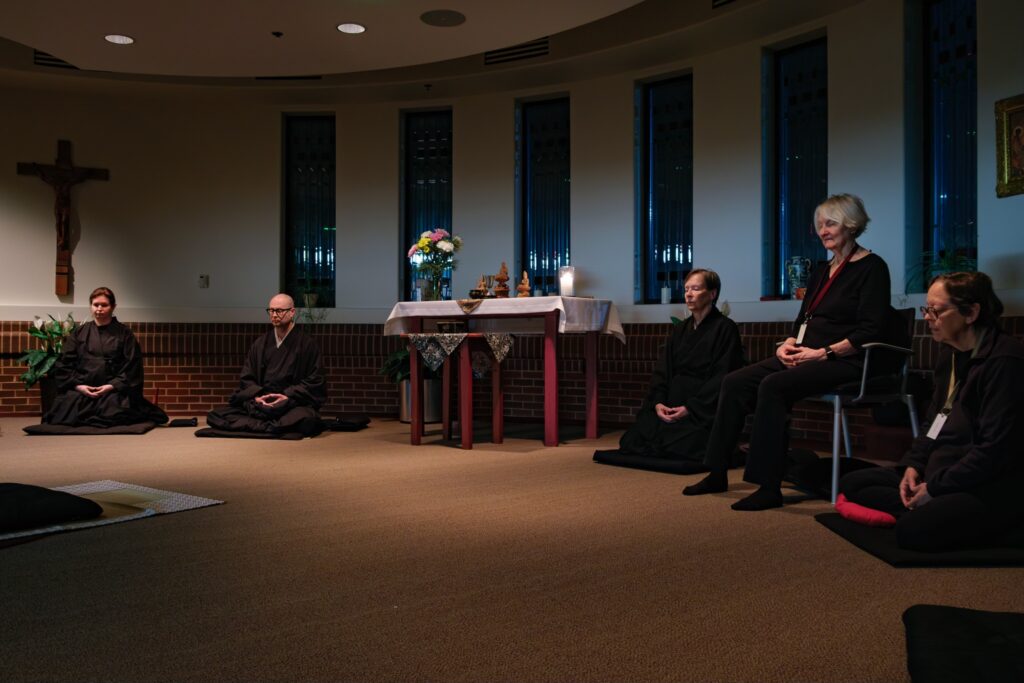
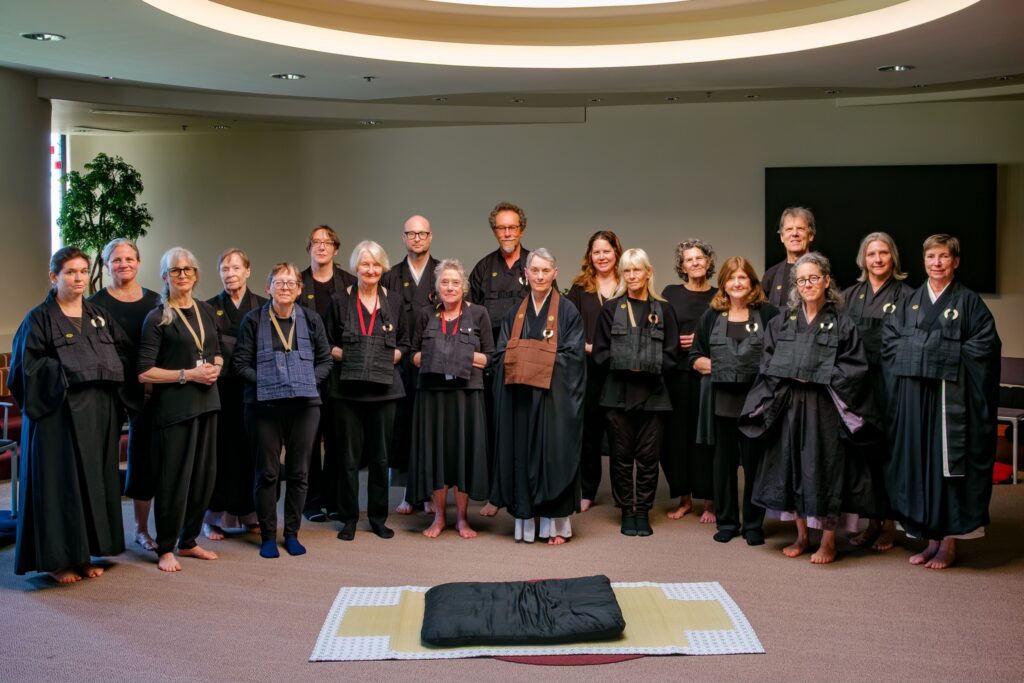
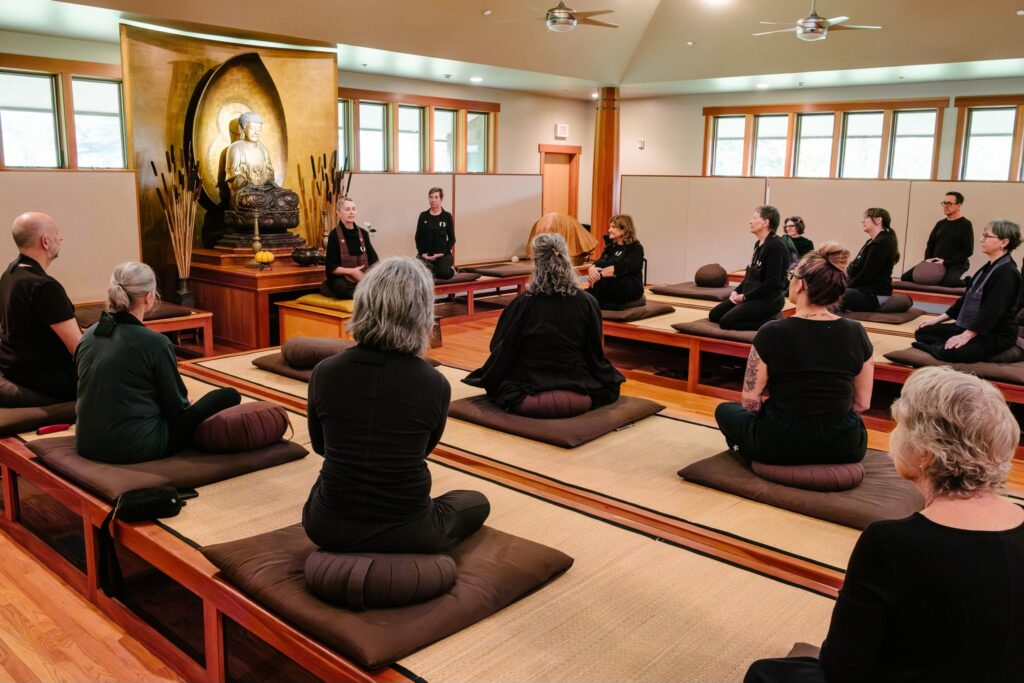
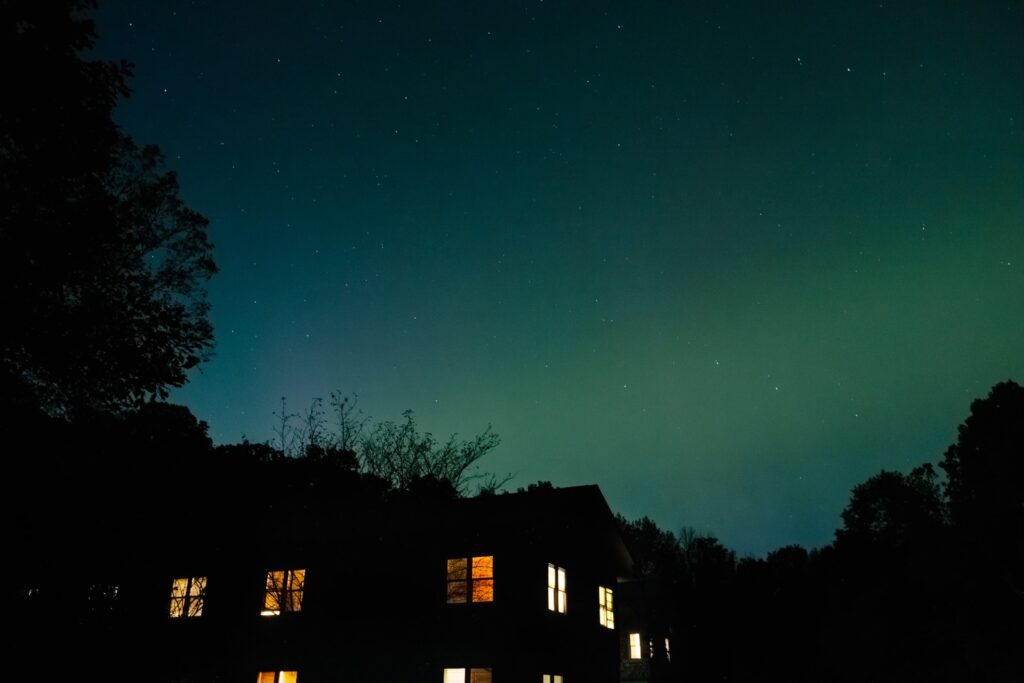
Photos by Rick Taizan McCleary of the Dewdrop Sangha retreat at Marillac Center, Leavenworth KS, March 19-22, 2026

get home safe

March 1st, 2026    -    5 Comments

I could write about the war, I suppose. About greedy, evil thuggery and all things Epstein. I could write about the terribleness of how it is now and what it will become. Instead I’m writing about this. It has a more hopeful ending.

One day last month I got on the freeway to go to an appointment downtown. The drive made me anxious, anxious because of LA traffic, the time of day, the miles to go, and yes, because of my age. Even before you lose the ability to do the things you’ve always done, you lose your confidence, and that’s more or less like losing everything.

But I made it there. Not on my first pass, mind you. The glass buildings had flown by so fast—all shimmer and glare—that I wasn’t sure where I was. I passed blocks lined in the tarps and tents of an urban encampment. When I turned into a parking lot to check the directions on my phone, I found a photo, an actual photo, of the building I was supposed to be at. I made a U-turn and, thank God, I recognized it.

The woman on the phone had said they had a parking garage but they also had valet parking. I pulled up to the valet stop, happy to have help.

A long time ago, I used to tell a joke about myself: “I don’t go anywhere they don’t have valet parking.” It wasn’t entirely true but it was funny. All kinds of things used to be funny.

My appointment was quick. Downstairs, I claimed my car and got in. Closing the door for me, the valet looked at me and smiled.

“Get home safe,” he said.

What a remarkable thing to say, a truly remarkable thing I can’t recall any valet attendant ever saying to me in all my carefree years of parking. Maybe that’s what people in his family said to each other every day and for good reason. A lot of people, good people, weren’t getting home safe anymore, and not because they were bad drivers. Too many dads and moms, wives and husbands, sons and daughters, kindergartners and grandparents, young people, old people,  neighbors, shopkeepers, nurses, veterans, and soldiers weren’t getting home at all.

Everywhere, every day, everyone just wants to get home, and some won’t have a home to get home to, or a  street, or a city, or a country. Where will it end?

I can’t get his words out of my mind, so I’ll give them to you.

May all beings get home safe.

Photo by Marcus Bellamy on Unsplash

what a girl in a bonnet can hear

January 26th, 2026    -    1 Comment

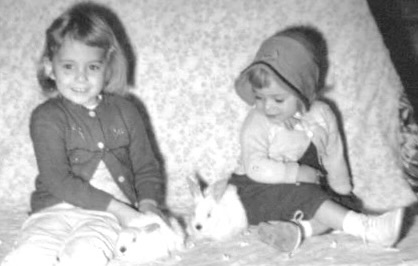
As a little girl I often wore a bonnet. When I first saw this picture of my big sister and me in an old photo album, I assumed a bonnet was what all little girls wore. But it wasn’t. I wore it because I was sickly, prone to perpetual colds, coughs, sore throats, and ear infections. There wasn’t much more you could do than plop a hat on a sick kid in the 1950s. Colds, old wives believed, were brought on by the cold. And earaches, I suppose, by a bitter wind.

At one point a doctor scolded my mother. If I didn’t get well, he said, I could lose my hearing. She must have been frozen in fear and shame to be thought a bad mother.

I had to wait until I was 3 to get the tonsillectomy that would help. The surgery required an overnight hospital stay without my parents. It wasn’t their choice; parents weren’t allowed to stay. It would be a few years before someone realized that children might need their parents when they were sick and scared, that mothers did not interfere with doing good. No, parents practiced medicine of a more powerful kind: calm, soothing, loving, and constant.

I have vague memories, images really, of that night alone. I was in a crib in a room with other children. I was terrified, although I didn’t have a word for what I was feeling then. It felt like my parents had disappeared and were not coming back. The room was big, I was small, and the night was long. There were pictures of cartoon characters on the walls, pictures meant to cheer us. But in the dark, they weren’t cartoons, they were monsters.

I’ve been thinking about that time, about fear and abandonment. About monsters that come out of the dark. And about those bonnets, my flimsy defense against the world.

In every day’s news I’m reminded that parents love their children. Children need their parents. And that all of us need helpers when we’re down and hurt. Families need other families. Neighbors need other neighbors, or that’s the end of neighboring and neighborhoods, towns, cities and countries. I’m reminded every day of what we’re not, and what we have become. An evil army of cartoon misfits and masked miscreants has transformed into monsters that blame the innocent and kill the good.

We can see it all clearly and with our own eyes; we can hear without interference; we know who’s lying, who’s dying, and which side is the right side. We speak out, we step, and we pray, hard.

“The eyes of the Lord are upon the righteous, and his ears are open unto their cry. The face of the Lord is against them that do evil, to cut off the remembrance of them from the earth.” — Psalm 34: 15-16


if not now

January 8th, 2026    -    1 Comment

There is a long-held view that at this time of year we should take stock of where we are and where we’re headed.

I subscribe to that. It’s a good time to renew our intentions and redirect our actions.

In Buddhism, “intention” refers to that part of the Eightfold Path which is called “right intention.” Right intentions are the reason we practice.

Buddha identified three kinds of skillful, or right, intentions:

1. Letting go of desire and attachment
2. Cultivating kindness instead of hatred
3. Wishing no harm to any being

These are the reasons we suffer and how we cause suffering for others, so they are important. But I suggest we be far more direct than that, far more literal in our aims.

Our intention must be to be completely, totally, wholeheartedly present in every moment of our life. You don’t have to be a Buddhist to see the merit in that. Maybe you wish you lived in the present, and hope that someday you will be better at it.

To inhabit each moment completely sounds like a tall order. You might think, Maybe buddhas can do that, but give me a break, I’m only human.

But it’s really simple. It comes down to this. To inhabit this moment right here now, you have to stay away from two things. Just two things.

1. The how come—which is you, thinking about the past.
2.The what if—which is you, thinking about the future.

Notice how often you are dividing yourself by ruminating on the past—past hurts, past events, and past people—or on the future, trying to get ahead of a possible problem, by anticipating and overthinking it. Too many of us rely on that kind of forecasting. What do I need to prepare? What do I need to prevent? We spend a lot of time trying to avoid a reality that doesn’t yet exist.

Just by doing that we lose the power of our complete, undivided attention on the present moment: the now, which is the only place and time we ever are. The whole of your life, your only life, is right here now.

Until when are you waiting?

Listen to this full dharma talk by clicking on the player below or by following this link.

what I’m working on

November 29th, 2025    -    11 Comments

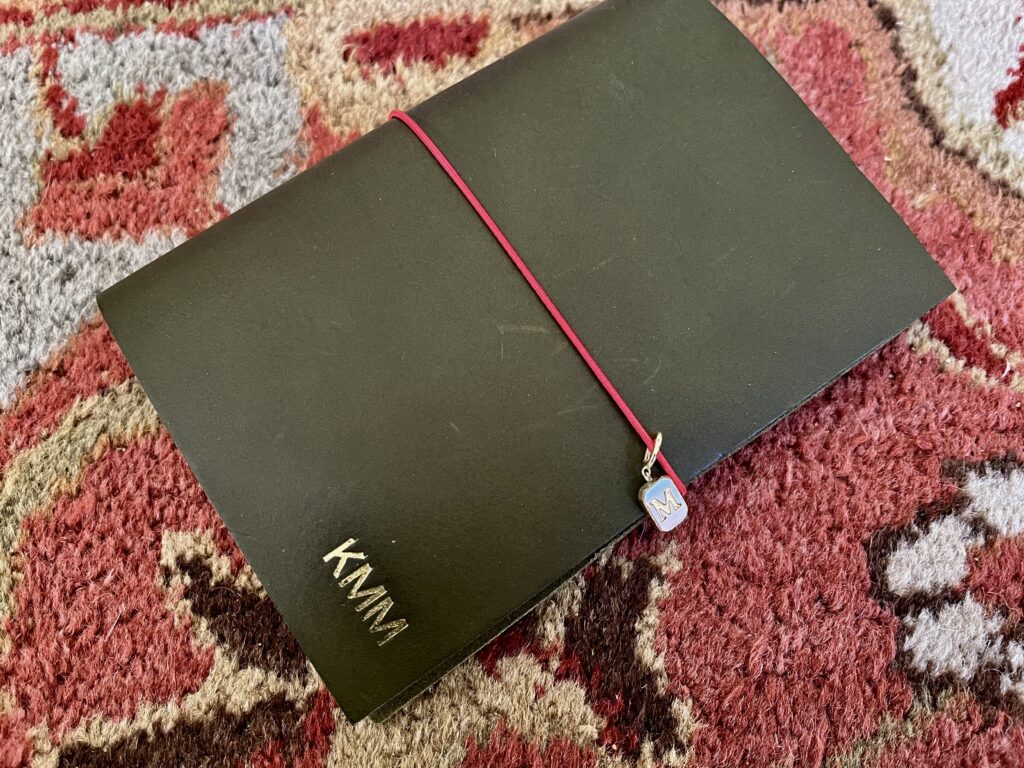
For my birthday my daughter gave me this monogrammed notebook. It fits in my hand. She inscribed it, “Take this with you everywhere. Use it for everything.” A few days ago I picked it up and put a pen to the pages. This is what I wrote.

People ask me what I’m working on now. They mean “What are you writing?”

I say “nothing.”

They seem surprised, since I’m a writer. And then I tell them that I was asked to write something this year, and I played with the idea that I would, that it was wanted and needed. But soon enough I found that I couldn’t. I didn’t have even one word with which to begin. My mouth is too full, I would say, as if that explained anything. Too full of anger and shock and disbelief. Full of every kind of betrayal, outrage, fear, and disgust.

“I have nothing to offer anyone,” I’d say. No hope, or peace, or resolution.

Instead, I said, “I feel as if I’m sitting at the deathbed of my country.” And what do you do when sitting at a deathbed? Nothing. You have run out of options, you are devoid of ideas. You simply sit in complete companionship, needing nothing, saying nothing, a steady presence. There are no words for that place. At least no words to reach it.

I wondered, when did this terror bloom? Not just on a grim election night a year ago, when the abyss yawned wide before us. We were afraid long before that.

Still and all, what a year it has been. Did we survive? Will we?

Straightaway where I live there were the horrific wildfires forcing our evacuation into the inconceivable. Would we still have a home? A street? A town? We met this moment, my husband and I, with spontaneous bouts of Covid, suffered in nameless hotels in farther reaches until we were allowed back home to a house intact, yes, still standing, and yet littered in ash and debris, amid miles of  eradication, a war zone, a bomb site. A bad omen, an unthinkable metaphor.

My hair kept falling out. I stopped sleeping. Well, I stopped sleeping past 3 am or 2 am or 11 pm. In any case, thus began the end of sleep and a nightly vigil of wakefulness and worry. Because after the fires we were swept up in a flood of insanity and destructiveness, vengeful desecration, a national collapse too sudden to have been imagined in anyone’s worst fears.

That was their power: our new government turned our worst fears against us, leaving me to wonder, why do they hate Americans?

Because they hate America, that’s why. Because these bitter hearts have not been loved enough, liked enough, or lauded enough. For whom enough will never be enough. As though the most adolescent, evil instincts are unleashed by paunchy, pasty misanthropes who couldn’t get a date to the prom. Does it all boil down to junior year?

I tried to remember the last night I allowed myself to fully rest, feeling safely restored to sanity and security. It was election night 2020, when I was certain this reign had ended. Who would have guessed five years ago that our pillars and principles were so fragile, so deeply ill-favored? But we’ve seen them crumble into towers of dust in an instant and we cannot turn away.

What have I done with my time besides write? Read. Forty some-odd books this year, all fiction, each one more honest, more truthful, more real, than our muzzled media where democracy dies in darkness.

Puzzles, puzzles, puzzles, I do puzzles. A crossword or two a day, word searches, spelling bees, you name it, every word puzzle there is and the archives too, each one less puzzling, totally solvable, than the puzzle that presents itself every day in the halls of government, the temples of justice, the mocking confines of our so-called national security.

Are they escapes? Yes! Escapes to logic, fact, grammar, and all the rules that once governed the course of human events. Let us unearth that relic of a world: ordered, dependable, useful. With the rule of law that decrees “i before e except after c.”

All this and yet there are bursts of light, hope, and faith found in the only place they live — in people’s hearts.

For strength, I find it in the people who join me — in person and online — to sit in silent harmony.

For courage, I find it in the strangers who join me on our streets and sidewalks, to the refrain of drumbeats and cowbells, to call out the lies, larceny and lawlessness of our nation.

As for faith, I find it in you, even as you find it in me.

And none of this is work. It is all love.

zen: the authentic gate

November 12th, 2025    -    1 Comment


We cannot attain genuine enlightenment unless we practice under an authentic teacher; we will be led to a spurious experience if we practice under a false teacher.  Kōun Yamada, Zen: The Authentic Gate

When I started my practice I received a very specific imprint, a very specific instruction on working with a teacher.

At that time there was no internet, no Buddhist magazines (at least that I knew of), very few books, and even fewer books that a true Zen teacher would want you to read. There were no discussion groups. There was no clinical or workplace practice called mindfulness. There was not nearly as much psychology as there is now and I wasn’t yet aware of what came to be called Buddhist or Zen psychotherapy.

So all there was to go on was . . . my teacher.

His laugh, his sigh, his bare feet walking on the wooden floor.

And it was enough. I didn’t understand what I was doing or much of anything my teacher was saying, but it didn’t diminish the power of his presence. Later on I would come to realize that what I experienced was simply the manifestation of dharma. A true Zen teacher is the manifestation of the teaching.

So what constitutes a true teacher? A teacher is one who practices with a student, and practice is what constitutes a teacher.

Later on when I was a student of Nyogen Roshi, he would explain the student-teacher relationship like this: We all start out in a pitch black room. We’re blind and we’re lost. To find the Way, you want to practice with a teacher who has been in that room with a teacher, who has been in the room with a teacher, who has been in the room with a teacher, because that’s who will lead you out.

Zen is a living practice. Person-to-person. You won’t find the living teaching in a book or in a lecture, although books and lectures can lead you to it, the way your thirst can lead you to water, the sun can lead you to shade, and the wind can lead you to shore.

This post is based on a recent dharma talk about working with a teacher. Listen to it in full right here:

Photo by Takeshi Yu on Unsplash


this perfect way

August 18th, 2025    -    No Comments

Here we are, in the midst of this perfect way,
and our practice is to realize it. — Maezumi Roshi

Chapin Mill Retreat
October 9-12, 2025
Register here

Every year around this time, the people who practice with me come together at Chapin Mill Retreat Center in Batavia, NY. There are many reasons we keep returning. Designed in the manner of a centuries-old Japanese Zen monastery, it is the perfect place to broaden our practice beyond the cushion. Through daily activities such as cleaning, cooking, meditative meals, and service training, we naturally extend our practice to aspects of everyday life.
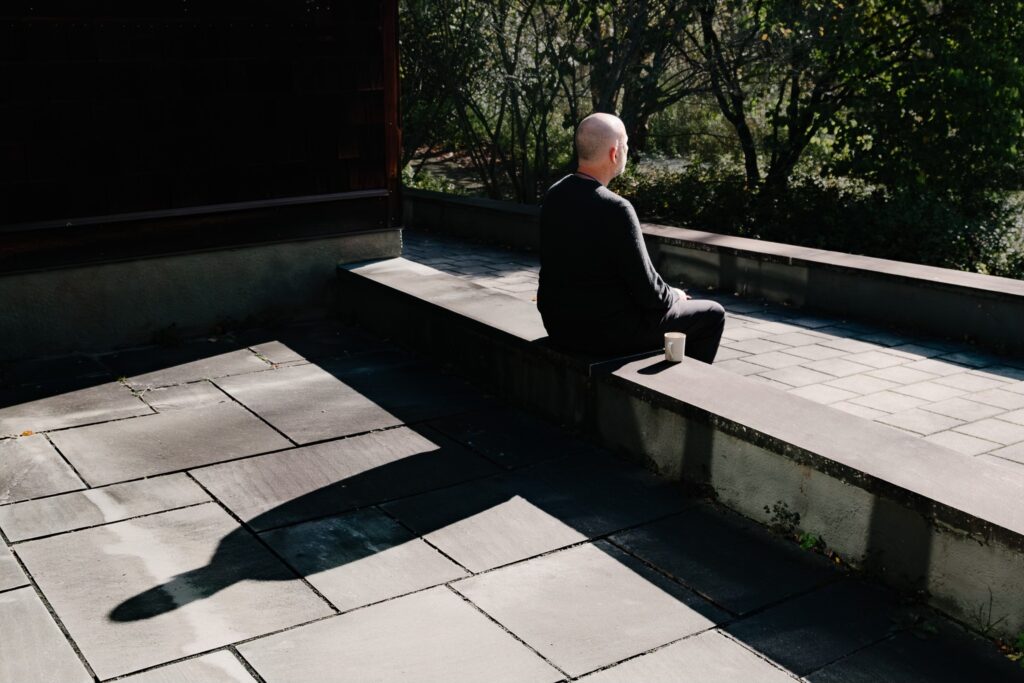
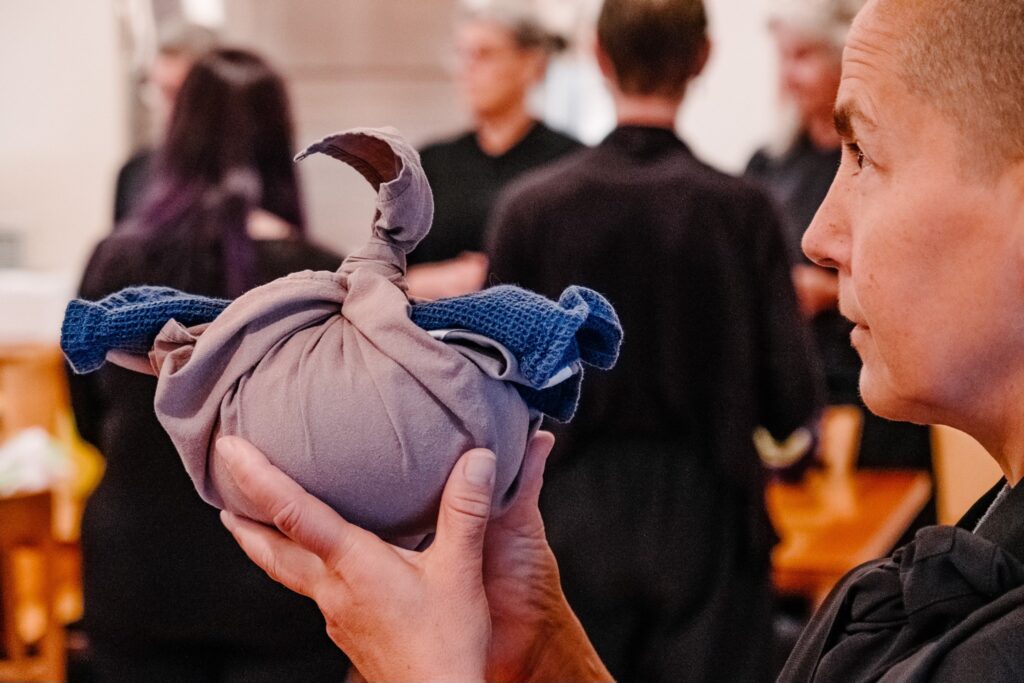
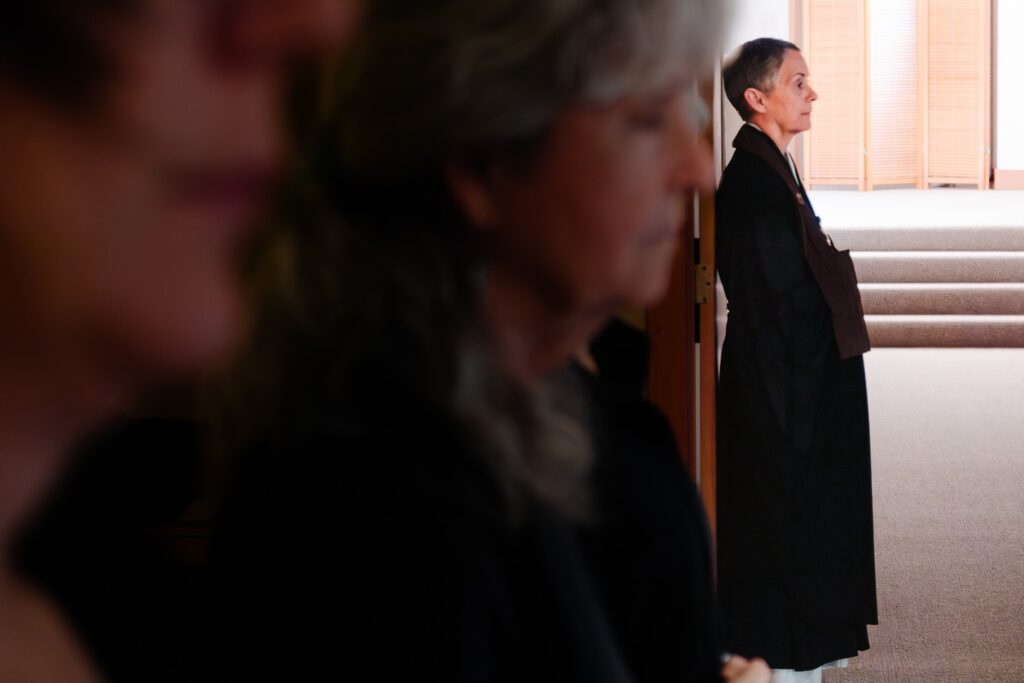
But underneath all that is a more powerful reason. We want to realize our lives as perfect, and by perfect, we don’t mean without difficulty or disappointment. We don’t mean without fear or worry, or without pain, sickness, and loss. By “perfect” we mean “complete.” It’s easy to feel that our lives are inadequate, lost or shattered. We come here to sit in silent stillness and see through the broken pieces.

The three-day program includes seated and walking meditation, chanting services, Dharma talks, and private encounters with a teacher—me. Beginners are welcome. Newcomers fit in. Sitting alone and yet sitting together, we practice as one. Perhaps it’s time. It’s always time. And always healing.

survival training

July 16th, 2025    -    4 Comments

It started, as most things do, with me.

I was the one who needed encouragement. After that impossible November day, it no longer mattered what I believed. It sure as hell wasn’t true.

And then the fires from nowhere swept our homes. Everywhere, disasters exploded. Before long, we were broken by sickness, stress, and the colossal weight of immoral insanity.  Alone, with no voice, no choice, and no country. Was there any way forward? Would there ever be a brighter day?

Nearly every month I gather with my fellow practitioners, the Dewdrop Sangha, on the evening of a full moon, to affirm our practice. To remember that we train for this: to face everything, for the sake of everyone, and to keep going. To reclaim the power of our presence and the scope of our responsibility. I give a talk to others but I’m talking to myself.

We can do this, together. This is the hard part, the training it takes for us to survive. I wish I could do more but this is all I have. If you’ve listened before, listen again. Listening brings us close.

On my site, you’ll see embedded players below. If you receive my blog via email without the embedded players, the links to each talk are here:

Encourage Others, Nov. 13, 2024
“I am very discouraged. What should I do?” The teacher replied, “Encourage others.”
The Lotus Blooming in the Fire, Feb. 12, 2025
We are in this together with all beings throughout all space and time.
The Dharma of Loneliness, May 12, 2025
Loneliness is a profound teaching and an opening to our own wisdom.
Everything is Mutual, July 9, 2025
Here we are, in the midst of this perfect way, and our practice is to realize it.

Photo by Andrew Moca on Unsplash

back home where we belong

May 19th, 2025    -    2 Comments

Everything is always with oneself at any time. — Maezumi Roshi

A fellow Zen student recently told me that she no longer felt like she fit in with her community ­of friends, neighbors, and some of her relatives. This, in spite of being a community leader, volunteer, and close with her family — a person devoted to taking care of others. But in these divisive times, she had made a conscious decision not to get caught up in the anger, chaos and craziness that seems to infect social encounters. As a result, she feels lonely at times.

Yes, we are lonely at times. We don’t always feel guided or supported. We don’t always have good friends or kind company. We may feel unseen, unloved, misunderstood, and far from home.

We can learn a lot from our loneliness. It is a profound teaching, and an opening to wisdom.

Thich Nhat Hahn called loneliness “the ill-being of our time.” He called it that 15 years ago. Imagine how much worse our loneliness is today. You don’t even have to imagine because you know.

It’s obvious that digital technology has amplified our loneliness, sadness, anger and hopelessness. It has made us sick. (I’m still blaming Steve Jobs.) Technologies, which are by definition not human, will not fulfill our need for human connection! We cannot exile ourselves to our screens and expect that we will be seen, heard, or even still be breathing. The world of Xs and Os is dead, and it deadens us. We are like zombies, and we look like zombies, scrolling, scrolling, at all times and all places scrolling, and for what? What cannot be found because we already have it. We already have a home where we belong. We are standing in it, although we are unlikely to see it as such or treat it as such.

Why abandon a seat in your own home to wander in vain through dusty regions of another land?  — Dogen Zenji 

But there is one place, one rare and precious place, where I do not feel alone or afraid or unwelcome, and that is in the presence of other people who are sitting down in a room together. Silently breathing and perfectly still. Appearing to be separate, but totally in touch not only with themselves but with everything and everyone around them. Presence is like that. Presence is everything.

In Zen we call it just sitting.

I could go on, but I’d rather invite you into my home and tell you about it. Click on this link, find a seat and keep me company for a few short minutes. Sitting down together is how we come back home to ourselves.

the day after mother’s day

May 11th, 2025    -    2 Comments

I don’t want to deprive anyone of that one special day to remember and appreciate mothers. But I want to talk about the days after, the days before, and the days of mothering that go unnoticed. I want to talk about the regrets, the fear, the trust, the hope, the hard lessons and the wisdom that comes to us over time. I want to talk about the rich inheritance we can leave behind for our children and their children: the treasure instilled in us by our own mother’s love.

All this in a deep and personal conversation with Allison Evans in honor of Mother’s Day and especially all the days after. Take the time to listen and know that this comes from my heart to yours.

“I know. I understand. Me too.”

Watch it here or in the player below.

Photo by Anna Zakharova on Unsplash

how to be decent

April 25th, 2025    -    3 Comments


Among all the things people have said about Pope Francis after his death, this one summed it up for me: “He was a very decent man in an age of indecency.”

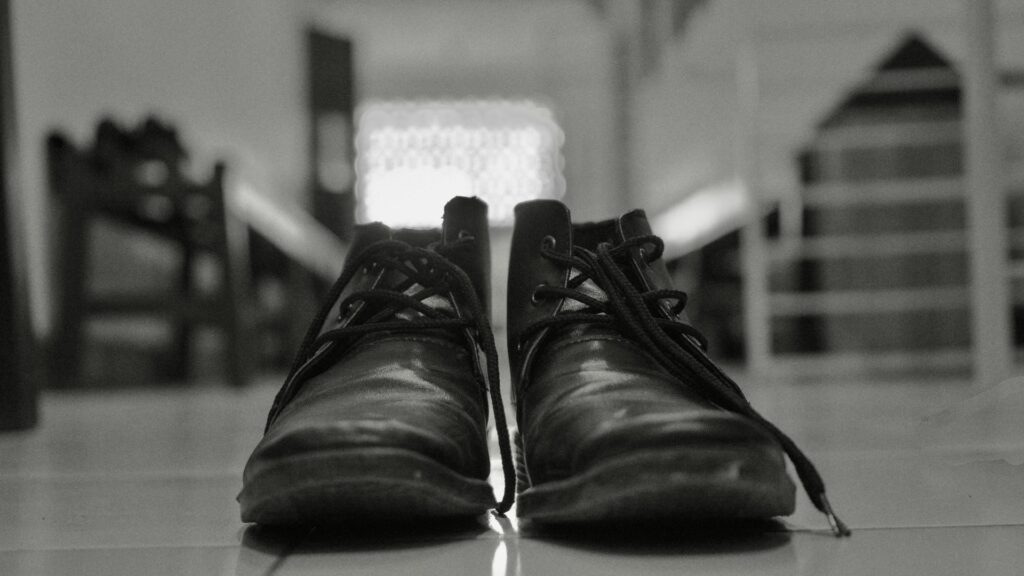
To be sure, decency is a rare thing these days. It relies on commonness. Pope Francis was a common man among common men and women. Some say he showed his nature in his modest lifestyle, eschewing fancy quarters in the papal palace for an ordinary room in the Vatican guest house. So too, in refusing a customary gold signet ring worn by previous popes and choosing a cheaper gold-plated silver one instead. Or in simplifying his funeral ceremonies and opting for a plain wooden casket. But I see it best in his shoes—ordinary black shoes with orthopedic soles. Shoes like the pope would wear if he was your grandfather. I happened to have a very decent grandfather, so I know.

I loved Pope Francis for his grandfatherly ways, and by that I mean the way he treated children, all children, like Jesus did, as if they are far holier than the holier-than-thou.

Let the little children come to me, and do not hinder them, for the kingdom of heaven belongs to such as these. — Matthew 19:14

I remember the way he stopped his motorcade in Washington DC that day ten years ago so he could take the letter held out to him by a five-year-old girl whose immigrant dad was at risk of deportation. It didn’t matter how many letters like that had been held out to him by children like her. He smiled just for her and kissed her cheek. The way he greeted a small child with Down syndrome who walked onstage during a papal address.  A child is a child, he seemed to say to those tsk-tsking the disruption, and is never a disruption. He held her hand as she sat quietly beside him and he finished his speech.

And even on what was to be his last day, when approached by the decidedly indecent and immoral American vice president, he said little but had his secretary pass along gifts for the children, yes, the children come first, and then a souvenir tie to the two-faced Vance whom he had already roundly rebuked. This was utmost decency. No guest is ever turned away.

I am not Catholic, of course, and I suppose I wouldn’t agree with much of Catholic doctrine or dogma. But I didn’t see the pope as a man of the church. I saw him as a man of God. Anyone can call himself a man of the church, but only a decent man can be a man of God. Or you might say, a buddha.

Because, you see, none of this is much different from how or why I practice my own faith, which has been summed up in a similar, simple way by Dogen Zenji, the founder of my brand of Zen:

There is a simple way to become a buddha: When you refrain from unwholesome actions, are not attached to birth and death, and are compassionate toward all sentient beings, respectful to seniors and kind to juniors, not excluding or desiring anything, with no designing thoughts or worries, you will be called a buddha. Do not seek anything else.

These shoes are empty now.

Photo by Ahmad Faiz on Unsplash

evil on its face

April 11th, 2025    -    8 Comments


The silence grows louder every day.  Fired federal workers who are worried about losing their homes ask not to be quoted by name. University presidents fearing that millions of dollars in federal funding could disappear are holding their fire. Chief executives alarmed by tariffs that could hurt their businesses are on mute. — The New York Times

So it’s left to us nobodies to speak.

A few weeks ago I was sitting among a group of Zen students when one person asked, “We are taught not to judge and yet we say that someone is evil and cruel. Isn’t that a judgment?” It was a good question, a question seeking clarity amid the fear and confusion of these times.

No, I said. There is no judgment involved when we see evil or cruelty.

Evil is evil on its face. Cruelty is cruel on its face. It can be seen and so we see it. It has a name and so we say it. It has a face and so we face it. We must see, say, and face it or it will lead the whole world astray.

Evil is wholly evil. It completely corrupts goodness. Cruelty is wholly cruel. It completely destroys kindness. It is the difference between daylight and darkness.

No part of an evil man is good. No part of a cruel man is kind. Not even one pore.

Evil is born of pride and jealousy. It lives to murder, steal, and lie. Evil can therefore not be cured but must be cast out as an abomination and a universal adversary of humanity.

In my spiritual tradition, we take vows which are called the Three Pure Precepts: To cease from evil, to do good, and to do good for others.

Even now at the peak of evil’s reign, there is a way to do good and to do good for others.

Resist, resist, resist the snake, and evil flees, for it is weak, cowardly, incompetent, ignorant, and insane.

You don’t have to believe a Buddhist. I read it in The Good Book, and boy is it good.

And so the Lord God said to the snake, “Cursed are you above all livestock and all wild animals! You will crawl on your belly and you will eat dust all the days of your life.” — Genesis 3:14

still here

April 8th, 2025    -    13 Comments

I had already waited three months for the approval that was supposed to take 30 days. My Social Security application was in some kind of paper purgatory. It was understandable. Thousands of employees had been fired. Offices, closed. The phone system was jammed and the computer system was down. As DOGE tore deeper into the failing heart of America, I convinced myself it was too late.

Before giving up, I set aside a day to spend on the phone. Maybe there was a person somewhere who could help, not that I really believed it.

I called the national toll-free number first. I waited an hour before I hung up. I called the SSA office 600 miles away where my online application had been routed. I was on hold three times before being disconnected all three times. Then I called my local office and in under 30 minutes an actual voice answered. It was Ms. Thomas, she said, and how could she help me? I suddenly felt as if I didn’t have a problem any more, not with Ms. Thomas on the line, but I told her anyway.

You’ve been waiting since when?

(I told her.)

She repeated the date, sounding suitably shocked.

I’m so sorry you’ve been waiting but have you heard about what’s going on over here?

Yes, I said. That’s why I’m amazed to be speaking to you.

Your application is not being handled in our office but I will contact the office that has it, leave a message for the person it was assigned to, and let you know the status. Can you hold while I do that?

Yes.

(Scary long wait.)

Ms. Miller? The person who has your application has not responded, but when they do, I will call you back. I will definitely call you back today.

She stressed “definitely” and “today.”

I told her how sorry I was for what she was going through, how much I appreciated her and her co-workers, and how cruel, unfair, unjust and downright criminal this situation was. She was obviously doing everything she could for every caller who got through, everyone who would otherwise be left behind.

We just want to be here for you as long as we can.

That stopped me, that phrase repeated again: here for you. It was but a slender filament, that lifeline, but all lifelines are.

A few hours later, she called. After languishing in the afterlife, my application had been approved. Because of her.

I have to believe that on every corner of every street in every town in this once-great nation there are people who just want to be here for you, people who want to do their jobs and get stuff done and feel good about it.

It feels good to help people, you see. It feels bad to only help the billionaires. But here we are.

Photo by JJ Ying on Unsplash

archives by month